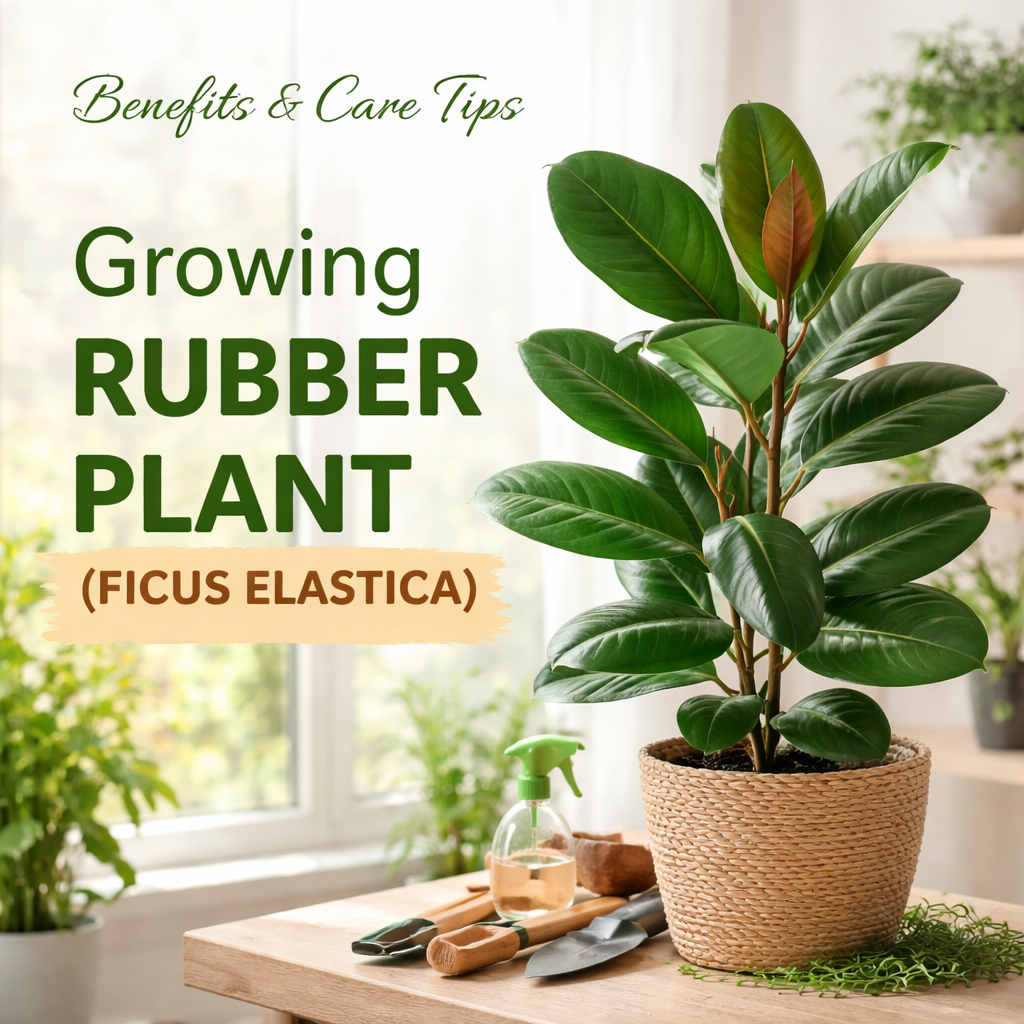
The Boston fern (Nephrolepis exaltata) is one of the most popular ornamental plants in the world. Known for its lush green fronds and graceful arching form, this fern is widely grown both indoors and outdoors. Beyond its aesthetic appeal, the Boston fern offers numerous environmental, health, and practical benefits. It is also relatively easy to grow when given proper care. This article explores the advantages of the Boston fern in detail and provides a step-by-step guide on how to plant and maintain it successfully.
Advantages of Boston Fern
1. Excellent Air Purifier
One of the most well-known advantages of the Boston fern is its ability to improve indoor air quality. Studies, including those conducted by NASA, have shown that Boston ferns can help remove harmful toxins such as formaldehyde, xylene, and toluene from the air. These chemicals are commonly released by household items like furniture, carpets, and cleaning products. By absorbing pollutants through their leaves and roots, Boston ferns help create a healthier living environment, especially in enclosed indoor spaces.
2. Natural Humidity Regulator
Boston ferns naturally release moisture into the air through a process called transpiration. This makes them excellent natural humidifiers, particularly beneficial in dry climates or air-conditioned rooms. Increased humidity can help prevent dry skin, irritated eyes, and respiratory discomfort. For homes or offices with low humidity levels, a Boston fern can significantly improve comfort and air quality.
3. Aesthetic and Decorative Value
The elegant, feathery fronds of the Boston fern make it a favorite for interior decoration and landscaping. It complements various design styles, from modern to traditional. Boston ferns are commonly used in hanging baskets, decorative pots, patios, and shaded garden areas. Their vibrant green color adds a sense of freshness, calm, and natural beauty to any space.
4. Stress Reduction and Mental Well-being
Being around plants has been proven to reduce stress and improve mental health. The Boston fern contributes to a calming atmosphere, helping to reduce anxiety and mental fatigue. Its presence in homes, offices, and public spaces can promote relaxation, boost mood, and even enhance productivity.
5. Safe for Homes with Pets
Unlike many houseplants, Boston ferns are non-toxic to pets such as cats and dogs. This makes them a safe choice for households with animals, as pet owners do not need to worry about accidental ingestion causing harm.
6. Low Maintenance and Long Lifespan
With the right conditions, Boston ferns are relatively easy to maintain. They do not require frequent fertilization or complex care routines. When properly watered and placed in suitable light conditions, they can thrive for many years, making them a cost-effective and long-lasting plant choice.
How to Plant a Boston Fern
Planting a Boston fern correctly is essential for healthy growth. Whether planting indoors in a pot or outdoors in a garden, the following steps will ensure success.
1. Choosing the Right Location
Boston ferns prefer indirect light and shaded areas. Direct sunlight can scorch their delicate fronds, while too little light can slow growth. Indoors, place the fern near a window with filtered light. Outdoors, choose a shaded or partially shaded spot protected from strong winds and direct midday sun.
2. Selecting the Proper Soil
The ideal soil for Boston ferns is loose, well-draining, and rich in organic matter. A potting mix containing peat moss, compost, and perlite works well. The soil should retain moisture without becoming waterlogged, as overly wet soil can lead to root rot.
3. Choosing a Suitable Container
If planting in a pot, select a container with adequate drainage holes to prevent water accumulation. The pot should be slightly larger than the fern’s root ball to allow room for growth. Hanging baskets are also an excellent option, as they showcase the fern’s arching fronds beautifully.
4. Planting Process
- Prepare the pot or ground by filling it with moist, well-draining soil.
- Remove the fern gently from its nursery container, taking care not to damage the roots.
- Place the fern in the center of the pot or planting hole, ensuring the root crown sits at soil level.
- Fill in with soil, pressing gently around the roots to eliminate air pockets.
- Water thoroughly after planting to help the soil settle and hydrate the roots.
5. Watering Requirements
Boston ferns require consistently moist soil. Water the plant when the top layer of soil feels slightly dry. Avoid letting the soil dry out completely, as this can cause fronds to turn brown and brittle. However, overwatering should also be avoided. Using room-temperature water is recommended, especially for indoor plants.
6. Humidity and Temperature Needs
High humidity is crucial for Boston ferns. Indoors, mist the leaves regularly or place the pot on a tray filled with pebbles and water to increase humidity. Boston ferns thrive in temperatures between 18°C and 24°C (65°F–75°F). They should be protected from cold drafts, heaters, and sudden temperature changes.
7. Fertilizing the Plant
Feed the Boston fern with a balanced liquid fertilizer diluted to half strength during the growing season (spring and summer). Fertilizing once a month is usually sufficient. Avoid over-fertilization, as it can damage the roots and cause leaf burn.
8. Pruning and Maintenance
Regularly remove yellow or dried fronds to encourage new growth and maintain the plant’s appearance. Pruning also improves air circulation around the plant. Repotting every two to three years helps refresh the soil and gives the roots more space to grow.
Conclusion
The Boston fern is more than just an attractive houseplant; it is a natural air purifier, humidity regulator, and stress reliever. Its non-toxic nature, low maintenance requirements, and long lifespan make it an excellent choice for homes, offices, and gardens. By providing the right light, soil, water, and humidity, anyone can successfully plant and grow a healthy Boston fern. With proper care, this elegant fern will reward growers with lush greenery and numerous health and environmental benefits for years to come.