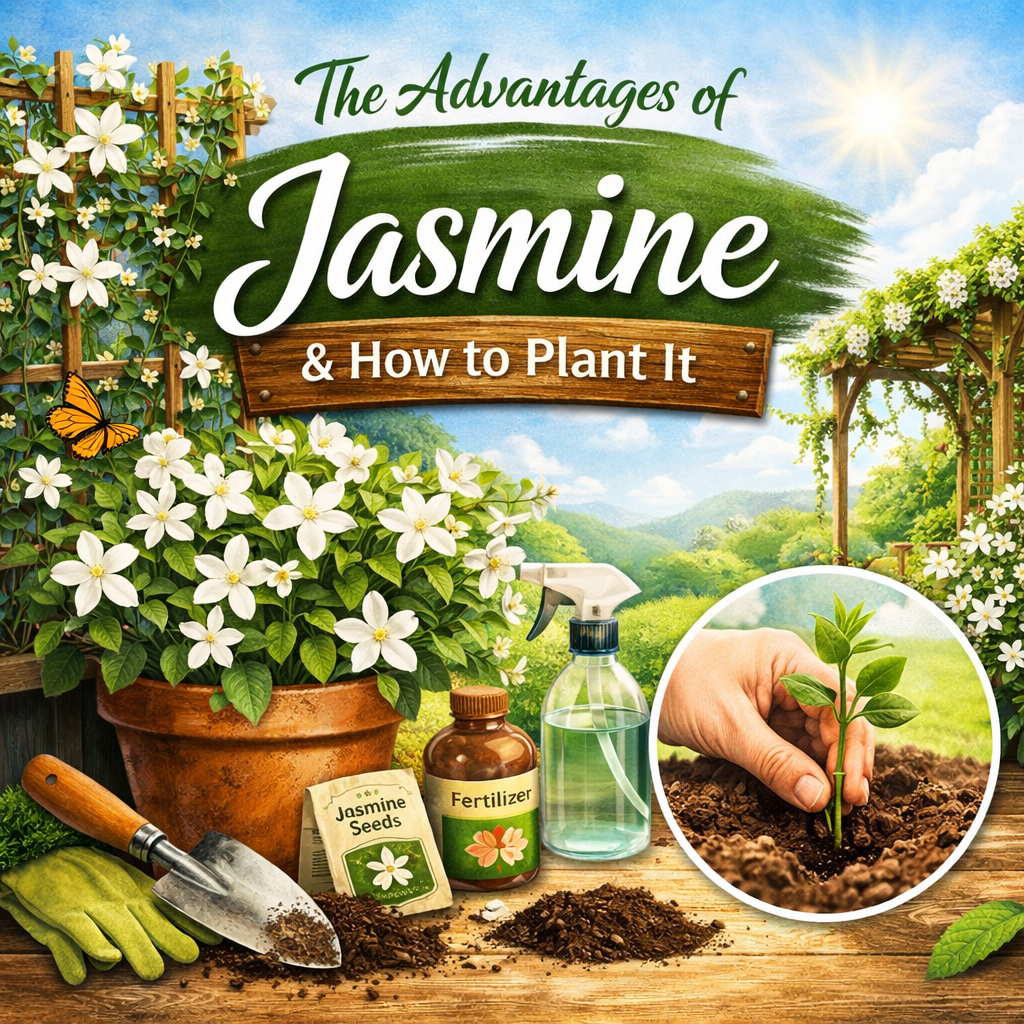
Jasmine is one of the most beautiful and fragrant flowering plants in the world. Known scientifically as Jasminum officinale, jasmine is loved not only for its sweet scent but also for its powerful health and garden benefits.
In this complete guide, you will discover:
-
10 amazing benefits of jasmine plant
-
Medicinal and wellness uses
-
How to grow jasmine at home
-
Soil, watering, and sunlight requirements
-
Common problems and solutions
Let’s begin 🌿
What Is Jasmine Plant?


Jasmine is a flowering plant belonging to the olive family (Oleaceae). It grows as a vine or shrub and produces small white or yellow flowers with a strong, pleasant fragrance.
There are over 200 species of jasmine, but the most popular garden variety is common jasmine (Jasminum officinale).
It is widely grown in:
-
Asia
-
Europe
-
Middle East
-
Tropical and subtropical regions
10 Powerful Benefits of Jasmine Plant
1. Reduces Stress and Anxiety
The fragrance of jasmine has calming properties. Studies suggest that jasmine aroma may help reduce heart rate and promote relaxation.
Jasmine essential oil is often used in aromatherapy for stress relief.
2. Improves Sleep Quality
Struggling with sleep?
Jasmine scent helps calm the nervous system and may improve sleep quality. Many people place jasmine near bedroom windows for natural aromatherapy.
3. Boosts Mood Naturally
The sweet aroma of jasmine stimulates the production of serotonin — the “feel-good” hormone.
This is why jasmine oil is often used to help improve mood and reduce mild depression symptoms.
4. Jasmine Tea Health Benefits
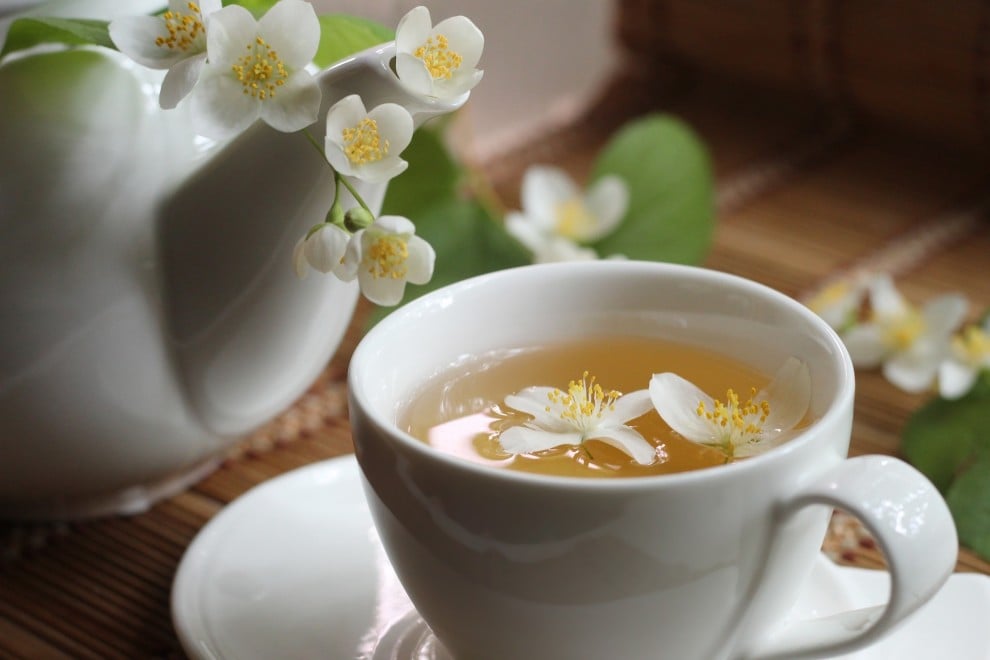
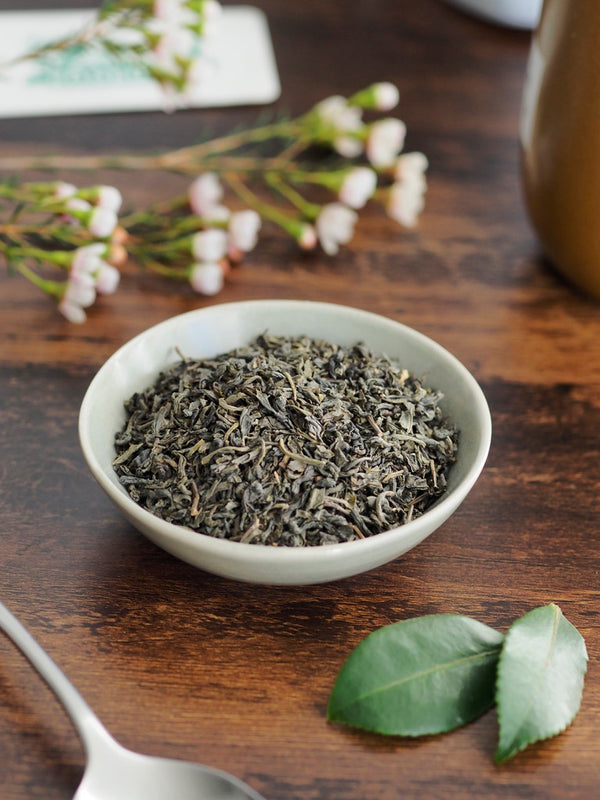

Jasmine tea is usually made by blending green tea leaves with jasmine flowers.
Benefits include:
-
Rich in antioxidants
-
Supports heart health
-
May boost metabolism
-
Helps digestion
It is one of the healthiest herbal drinks available.
5. Natural Air Freshener
Jasmine plants naturally purify the air around them. Their strong fragrance keeps indoor and outdoor spaces fresh without chemicals.
Perfect for balconies and gardens.
6. Skin Care Benefits
Jasmine oil is used in:
-
Moisturizers
-
Soaps
-
Anti-aging creams
It may help:
-
Hydrate skin
-
Reduce dryness
-
Improve skin glow
7. Attracts Pollinators
Jasmine flowers attract:
-
Bees
-
Butterflies
This helps improve your garden’s ecosystem and supports plant growth.
8. Enhances Garden Beauty


Jasmine vines grow beautifully on:
-
Trellises
-
Fences
-
Garden arches
-
Balcony railings
They add elegance and fragrance to any space.
9. Medicinal Uses of Jasmine
In traditional medicine, jasmine has been used for:
-
Reducing headaches
-
Relieving muscle pain
-
Supporting relaxation
-
Mild antiseptic use
Always consult a healthcare professional before medicinal use.
10. Easy to Grow at Home
One of the best advantages of jasmine is that it is beginner-friendly.
With proper care, it grows quickly and blooms beautifully.
How to Grow Jasmine at Home (Step-by-Step Guide)
1. Choose the Right Location
Jasmine needs:
-
4–6 hours of sunlight daily
-
Warm climate
-
Good air circulation
2. Best Soil for Jasmine Plant
Use:
-
Well-draining soil
-
Slightly acidic soil (pH 6–7)
-
Compost-rich potting mix
Avoid waterlogged soil.
3. How to Plant Jasmine in Pots
-
Choose a pot with drainage holes
-
Fill with organic potting mix
-
Plant the jasmine root ball
-
Water thoroughly
-
Place in sunny area
4. Watering Guide
-
Water 2–3 times per week
-
Keep soil moist but not soggy
-
Reduce watering in winter
Overwatering is the most common mistake.
5. Fertilizer Tips
Use:
-
Balanced fertilizer (once a month)
-
Organic compost
-
Liquid plant feed during blooming season
Common Problems and Solutions
Yellow Leaves
Cause: Overwatering
Solution: Improve drainage
No Flowers
Cause: Lack of sunlight
Solution: Move plant to sunnier spot
Pest Issues
Cause: Aphids or spider mites
Solution: Use neem oil spray
Frequently Asked Questions (FAQs)
Q1: Can jasmine grow indoors?
Yes, jasmine can grow indoors near a sunny window with proper airflow.
Q2: How long does jasmine take to bloom?
Most jasmine plants bloom within 6–12 months after planting.
Q3: Is jasmine plant safe for pets?
Some jasmine varieties may be mildly toxic to pets. Keep out of reach and consult a vet if unsure.
Q4: When is the best time to plant jasmine?
Spring and early summer are ideal for planting jasmine.
Final Thoughts
The jasmine plant is more than just a beautiful flower. From stress relief and better sleep to garden decoration and tea benefits, jasmine offers powerful natural advantages.
If you are looking for a fragrant, low-maintenance, and beneficial plant, jasmine is a perfect choice.