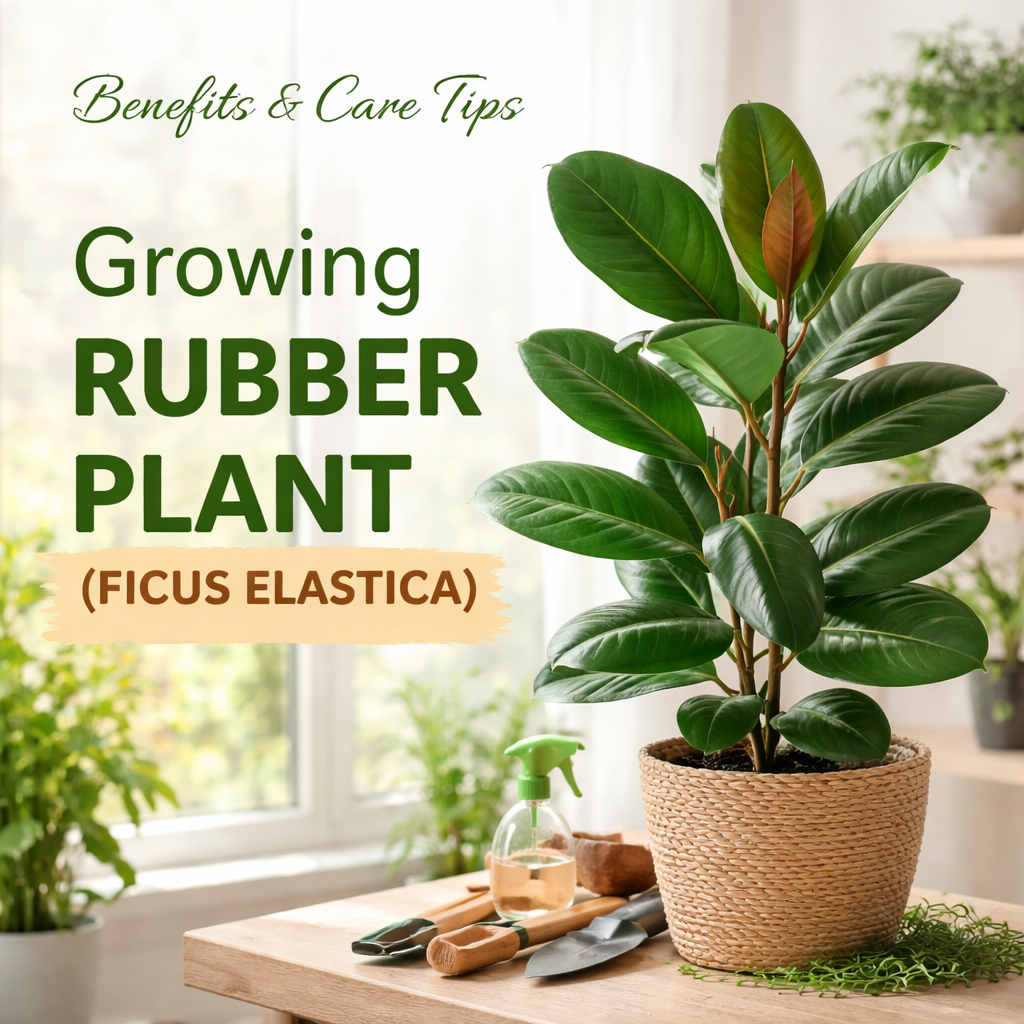
The Rubber Plant (Ficus elastica) is one of the most popular ornamental plants grown worldwide, admired for its bold, glossy leaves and impressive adaptability. Native to Southeast Asia, particularly India and Indonesia, this evergreen tree has become a favorite indoor and outdoor plant due to its aesthetic appeal, resilience, and environmental benefits. Beyond its decorative value, the rubber plant offers numerous advantages, ranging from air purification to psychological well-being. This article explores the key benefits of the rubber plant and provides a detailed, step-by-step guide on how to plant and care for it successfully.
Advantages of the Rubber Plant
1. Excellent Air Purification Qualities
One of the most well-known benefits of the rubber plant is its ability to improve indoor air quality. According to studies on houseplants, Ficus elastica can absorb airborne toxins such as formaldehyde, carbon monoxide, and other volatile organic compounds (VOCs). Its large, thick leaves are particularly efficient at trapping dust particles and pollutants, making it an ideal choice for homes, offices, and urban environments where air quality may be compromised.
2. Low Maintenance and High Durability
The rubber plant is prized for its hardiness and ease of care. It tolerates a wide range of growing conditions, including varying light levels and occasional neglect. Unlike many delicate houseplants, Ficus elastica does not require frequent watering or constant attention, making it suitable for beginners and busy individuals.
3. Aesthetic and Decorative Value
With its broad, leathery leaves that range from deep green to burgundy and variegated patterns, the rubber plant adds a bold, modern touch to any space. It complements minimalist, contemporary, and traditional interiors alike. When grown properly, it can reach impressive heights indoors, serving as a natural focal point in living rooms, hallways, or office lobbies.
4. Improves Mental Health and Well-being
Indoor plants, including the rubber plant, have been linked to reduced stress, increased productivity, and improved mood. The presence of greenery helps create a calming atmosphere, which can be especially beneficial in workspaces. Caring for plants also promotes mindfulness and a sense of accomplishment.
5. Adaptability to Indoor and Outdoor Environments
While commonly grown as a houseplant, Ficus elastica can also thrive outdoors in warm, tropical, and subtropical climates. When planted outside, it can grow into a large tree providing shade and visual appeal. Its adaptability makes it a versatile plant for different landscapes and environments.
6. Longevity and Growth Potential
With proper care, rubber plants can live for decades. They grow steadily and can be pruned to maintain the desired size and shape. This longevity makes them a long-term investment for both indoor décor and garden landscaping.
How to Plant a Rubber Plant (Ficus elastica)
Planting a rubber plant correctly is essential to ensure healthy growth and long-term success. Whether you are planting it in a pot or directly in the ground, following the proper steps will help the plant establish strong roots.
1. Choosing the Right Location
Rubber plants prefer bright, indirect sunlight. Direct sunlight can scorch the leaves, while insufficient light may slow growth and cause leaf drop. Indoors, place the plant near a window with filtered light. Outdoors, choose a location with partial shade, especially in hot climates.
Ensure the location is away from cold drafts, air conditioners, or heaters, as sudden temperature changes can stress the plant.
2. Selecting the Right Soil
Well-draining soil is crucial for rubber plants. Use a high-quality potting mix designed for houseplants, or prepare your own by mixing:
- 2 parts garden soil
- 1 part peat moss or coco peat
- 1 part perlite or coarse sand
This combination provides good drainage while retaining enough moisture for healthy root development.
3. Choosing the Container (for Pot Planting)
Select a pot with drainage holes at the bottom to prevent waterlogging. The pot should be slightly larger than the plant’s root ball, allowing room for growth without holding excess moisture. Clay or ceramic pots are excellent choices as they promote better air circulation.
4. Planting Steps
- Prepare the Pot or Ground: Fill the pot halfway with soil, or loosen the soil in the ground to improve aeration.
- Position the Plant: Gently remove the rubber plant from its nursery container. Place it in the center of the pot or planting hole.
- Add Soil: Fill in around the roots with soil, pressing lightly to remove air pockets.
- Water Thoroughly: Water the plant until excess water drains out. This helps the soil settle and ensures the roots are well hydrated.
5. Watering Requirements
Rubber plants prefer moderate watering. Water when the top 2–3 cm (about 1 inch) of soil feels dry. Overwatering can lead to root rot, while underwatering may cause leaves to droop. Reduce watering during winter when growth slows.
6. Temperature and Humidity
The ideal temperature range for Ficus elastica is between 18°C and 30°C (65°F to 85°F). It enjoys moderate humidity but adapts well to normal household conditions. In dry environments, occasional misting or placing a tray of water nearby can help maintain humidity.
7. Fertilization
Feed the rubber plant with a balanced liquid fertilizer every 2–4 weeks during the growing season (spring and summer). Avoid over-fertilizing, as this can cause salt buildup and damage the roots. No fertilization is usually needed during winter.
8. Pruning and Maintenance
Prune the rubber plant to control its size and encourage bushier growth. Remove dead, damaged, or yellowing leaves regularly. Wipe the leaves with a damp cloth to remove dust and enhance photosynthesis.
Conclusion
The rubber plant (Ficus elastica) is more than just a decorative houseplant—it is a resilient, air-purifying, and mentally uplifting addition to any environment. Its low maintenance requirements and adaptability make it ideal for both novice and experienced plant enthusiasts. By understanding its advantages and following proper planting and care techniques, you can enjoy a healthy, thriving rubber plant for many years. Whether grown indoors as a statement piece or outdoors as a shade-providing tree, the rubber plant remains a timeless and valuable plant choice.